Buy americotest.eu ?
We are moving the project
americotest.eu .
Are you interested in purchasing the domain
americotest.eu ?
domain@kv-gmbh.de · 0541-91531010
Buy americotest.eu ?
How can one object to an evaluation during work or training?
One can object to an evaluation during work or training by first understanding the specific reasons for the evaluation and the criteria being used. If one believes that the evaluation is unfair or inaccurate, they can request a meeting with the evaluator to discuss their concerns and provide evidence to support their objections. It is important to remain professional and respectful during this process, and to focus on providing constructive feedback and seeking a resolution that is fair and reasonable. If necessary, one can also seek support from a supervisor or HR department to address the evaluation process. **
What is the difference between prepositional object and object?
The main difference between a prepositional object and an object is their relationship to the verb in a sentence. An object is a noun or pronoun that directly receives the action of the verb, while a prepositional object is the noun or pronoun that comes after a preposition and is related to the verb indirectly. In other words, an object is directly affected by the verb, while a prepositional object is connected to the verb through a preposition. **


Similar search terms for Object
Top-Angebote
Products related to Object:


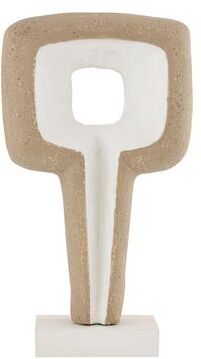

-
'Substance or object?'
A substance is a type of matter that has a specific composition and properties, such as water or salt. An object, on the other hand, is a tangible item that can be seen and touched, such as a book or a chair. While substances are the fundamental building blocks of matter, objects are made up of one or more substances and have a distinct shape and form. **
-
How do you formulate the reasons when you want to object to a evaluation?
When formulating reasons to object to an evaluation, it's important to be specific and provide evidence to support your objections. Start by identifying the specific aspects of the evaluation that you disagree with and explain why you believe they are inaccurate or unfair. Provide examples, data, or documentation to back up your objections. It's also helpful to offer alternative perspectives or solutions that could lead to a more accurate and fair evaluation. Finally, approach the objection in a professional and respectful manner, focusing on the facts and maintaining open communication with the evaluator. **
-
What is the difference between object constancy and object permanence?
Object constancy refers to the ability to maintain a consistent emotional bond with a person despite changes in the environment or temporary absences. It involves understanding that people can still care for you even when they are not physically present. On the other hand, object permanence is the understanding that objects continue to exist even when they are out of sight. It is a cognitive milestone typically achieved in infancy, whereas object constancy is a more complex emotional concept that develops later in childhood. **
-
What is the difference between direct object and indirect object?
A direct object is a noun or pronoun that receives the action of the verb directly, while an indirect object is a noun or pronoun that receives the direct object. In other words, the direct object is the recipient of the action, while the indirect object is the recipient of the direct object. For example, in the sentence "She gave him a book," "book" is the direct object receiving the action of "gave," and "him" is the indirect object receiving the book. **

Was the object reference not set to an object instance?
Yes, the object reference was not set to an object instance. This means that the reference variable does not point to any actual object in memory, and attempting to access or use this reference will result in a null reference exception. It is important to ensure that object references are properly initialized to point to valid object instances before attempting to use them in the code. **
What are examples of how an object becomes another object?
One example of how an object becomes another object is through the process of recycling. For instance, plastic bottles can be recycled and transformed into new plastic products. Another example is when raw materials such as wood, metal, or glass are used to create new objects such as furniture, machinery, or containers. Additionally, objects can be repurposed or upcycled, such as turning an old tire into a swing or a used jar into a candle holder. **
Top-Angebote
Products related to Object:
-
Elk Home Aston Decorative ObjectThe Aston Tabletop Sculpture is a round decorative object designed to sit upright on a bookshelf or credenza. Featuring a ring of black painted mango wood carved in a sunburst pattern, this sculpture makes a dramatic statement.114,00 $*Shipping: 0,00 $Secure redirect to the provider
-
Sagebrook Home Abstract Iron Decorative ObjectEnhance your home decor with our stunning line of Decorative Accessories. Our decorative accents will inspire your creativity while designing your home and outdoor spaces. A great addition and decoration for upscale hotels and offices.46,49 $*Shipping: 0,00 $Secure redirect to the provider
-
How can one object to an evaluation during work or training?
One can object to an evaluation during work or training by first understanding the specific reasons for the evaluation and the criteria being used. If one believes that the evaluation is unfair or inaccurate, they can request a meeting with the evaluator to discuss their concerns and provide evidence to support their objections. It is important to remain professional and respectful during this process, and to focus on providing constructive feedback and seeking a resolution that is fair and reasonable. If necessary, one can also seek support from a supervisor or HR department to address the evaluation process. **
-
What is the difference between prepositional object and object?
The main difference between a prepositional object and an object is their relationship to the verb in a sentence. An object is a noun or pronoun that directly receives the action of the verb, while a prepositional object is the noun or pronoun that comes after a preposition and is related to the verb indirectly. In other words, an object is directly affected by the verb, while a prepositional object is connected to the verb through a preposition. **
-
'Substance or object?'
A substance is a type of matter that has a specific composition and properties, such as water or salt. An object, on the other hand, is a tangible item that can be seen and touched, such as a book or a chair. While substances are the fundamental building blocks of matter, objects are made up of one or more substances and have a distinct shape and form. **
-
How do you formulate the reasons when you want to object to a evaluation?
When formulating reasons to object to an evaluation, it's important to be specific and provide evidence to support your objections. Start by identifying the specific aspects of the evaluation that you disagree with and explain why you believe they are inaccurate or unfair. Provide examples, data, or documentation to back up your objections. It's also helpful to offer alternative perspectives or solutions that could lead to a more accurate and fair evaluation. Finally, approach the objection in a professional and respectful manner, focusing on the facts and maintaining open communication with the evaluator. **
Similar search terms for Object
-
What is the difference between object constancy and object permanence?
Object constancy refers to the ability to maintain a consistent emotional bond with a person despite changes in the environment or temporary absences. It involves understanding that people can still care for you even when they are not physically present. On the other hand, object permanence is the understanding that objects continue to exist even when they are out of sight. It is a cognitive milestone typically achieved in infancy, whereas object constancy is a more complex emotional concept that develops later in childhood. **
-
What is the difference between direct object and indirect object?
A direct object is a noun or pronoun that receives the action of the verb directly, while an indirect object is a noun or pronoun that receives the direct object. In other words, the direct object is the recipient of the action, while the indirect object is the recipient of the direct object. For example, in the sentence "She gave him a book," "book" is the direct object receiving the action of "gave," and "him" is the indirect object receiving the book. **
-
Was the object reference not set to an object instance?
Yes, the object reference was not set to an object instance. This means that the reference variable does not point to any actual object in memory, and attempting to access or use this reference will result in a null reference exception. It is important to ensure that object references are properly initialized to point to valid object instances before attempting to use them in the code. **
-
What are examples of how an object becomes another object?
One example of how an object becomes another object is through the process of recycling. For instance, plastic bottles can be recycled and transformed into new plastic products. Another example is when raw materials such as wood, metal, or glass are used to create new objects such as furniture, machinery, or containers. Additionally, objects can be repurposed or upcycled, such as turning an old tire into a swing or a used jar into a candle holder. **
* All prices are inclusive of VAT and, if applicable, plus shipping costs. The offer information is based on the details provided by the respective shop and is updated through automated processes. Real-time updates do not occur, so deviations can occur in individual cases. ** Note: Parts of this content were created by AI.