Buy americotest.eu ?
We are moving the project
americotest.eu .
Are you interested in purchasing the domain
americotest.eu ?
domain@kv-gmbh.de · 0541-91531010
Buy americotest.eu ?
Can battery acid etch plastic?
Yes, battery acid can etch plastic. Battery acid is typically sulfuric acid, which is a highly corrosive substance that can react with and degrade many materials, including plastic. When in contact with plastic, battery acid can cause the plastic to become discolored, deformed, or even dissolve over time. It is important to handle battery acid with care and avoid contact with plastic materials to prevent damage. **
What can formic acid etch away?
Formic acid can etch away various materials such as metals, concrete, and certain types of plastics. It is particularly effective at removing rust and scale from metal surfaces. Additionally, formic acid can also dissolve certain types of minerals and organic materials. However, it is important to use formic acid with caution as it can be corrosive and potentially harmful if not handled properly. **


Similar search terms for Etch
Top-Angebote
Products related to Etch:
-
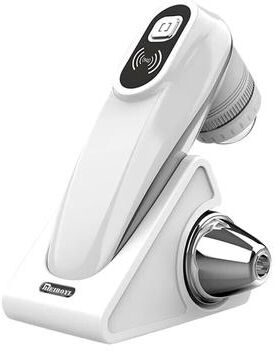
StayWell Professional Skin Analyzer Rechargeable UV Testing Analysis Magnifier With Dual Probes & Wi Fi App Control Professional Skin Analyzer Rechargeable UV Testing Analysis Magnifier With Dual Probes & Wi Fi App ControlExperience nextlevel skincare diagnostics with our Professional Skin Analyzer Rechargeable UV Testing Analysis Magnifier. Designed for beauty professionals and techsavvy enthusiasts alike, this smart device uses optical amplification to reveal...155,97 $*Shipping: 0,00 $Secure redirect to the provider
-
Uplift Picks 3D Skin Analysis Machine Portable Facial Scanner For Moisture Oil And Texture Testing white (13.3 Inch)See your skin more clearly and make every skincare choice feel more intentional. This 3D skin analysis machine helps check moisture, oil balance, and texture so you can better understand what your skin needs. Designed for home routines, salons,...3515,00 $*Shipping: 0,00 $Secure redirect to the provider
-
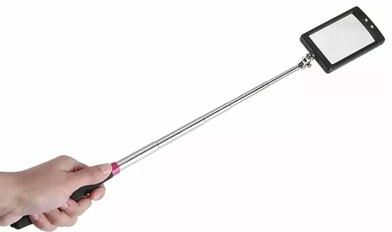
Multicon Wholesale Hub Telescoping Inspection Mirror Set Adjustable Flexible Inspection Mirror For Hard to Reach Spaces Telescoping Inspection Mirror Set Adjustable Flexible Inspection Mirror For Hard to Reach SpacesLooking for a versatile tool to help you inspect tight spaces The 2 Pack Telescoping Inspection Mirror Set is designed for those hardtoreach areas, making inspections easier than ever. Whether you're a mechanic, DIY enthusiast, or just need to check...69,97 $*Shipping: 0,00 $Secure redirect to the provider
-
Uplifted Finds Diagnostic 365nm UV Clinical Inspection Hub Diagnostic 365nm UV Clinical Inspection HubEnsure the dermatological integrity of your pet with the Clinical Inspection Hub, a professionalgrade diagnostic module engineered with 365nm UVspectrum logic. This highperformance device features a specialized Black Mirror filter technology...90,97 $*Shipping: 0,00 $Secure redirect to the provider


-
Which acid is able to etch stone?
Hydrochloric acid is commonly used to etch stone surfaces. It is a strong acid that can dissolve minerals in the stone, creating a rough texture on the surface. This process is often used in stone masonry to create decorative patterns or to prepare the surface for further treatment, such as painting or sealing. However, it is important to use hydrochloric acid with caution, as it can be corrosive and harmful if not handled properly. **
-
How can one etch damask with vinegar essence?
To etch damask with vinegar essence, you can start by diluting the vinegar essence with water in a 1:1 ratio. Next, apply the diluted vinegar essence onto the damask fabric using a brush or sponge. Allow the vinegar essence to sit on the fabric for a few minutes to penetrate the fibers. Finally, rinse the fabric thoroughly with water to remove the vinegar essence and reveal the etched design on the damask. **
-
How can one etch metal or plastic with acid?
To etch metal or plastic with acid, one can start by creating a design or pattern on the surface using a resist material such as wax, tape, or a special etching resist. The resist material will protect the areas that are not meant to be etched. Next, the metal or plastic piece is submerged in an acid solution, such as ferric chloride for metal or hydrochloric acid for plastic, for a specific amount of time. The acid will eat away at the exposed areas, creating the desired design. Finally, the resist material is removed, and the piece is cleaned to reveal the etched design. **
-
What are the best acids to etch steel-hard materials?
The best acids to etch steel-hard materials are strong mineral acids such as hydrochloric acid (HCl) and sulfuric acid (H2SO4). These acids are highly corrosive and can effectively etch hard materials like steel due to their ability to break down the surface of the material. It is important to use these acids with caution and proper safety measures as they can be hazardous to handle. Additionally, a controlled etching process is essential to achieve the desired results without damaging the material. **

Can iron(III) chloride also be used to etch steel?
Yes, iron(III) chloride can also be used to etch steel. It is commonly used in the metalworking industry as an etchant for steel and other metals. The solution of iron(III) chloride reacts with the surface of the steel, creating a roughened texture that can be used for various purposes such as creating a matte finish or preparing the surface for further processing like painting or coating. However, it is important to handle iron(III) chloride with care as it is a corrosive and potentially hazardous chemical. **
How to use distilled water to develop and etch circuit boards?
To use distilled water to develop and etch circuit boards, first mix a solution of distilled water and a developer chemical such as sodium hydroxide or sodium metasilicate. Place the circuit board in the solution and agitate gently to remove the unwanted copper. Rinse the board with distilled water to stop the etching process. Finally, dry the board thoroughly before further processing or soldering components onto it. **
Top-Angebote
Products related to Etch:
-
Abode Homewares Vines Acrylic Etch Stemless Wine Glass - Clear - 14.6 oz - Set of 6Elevate your dining experience with the Vines Etch stemless wine glass set. Crafted from crystal-clear acrylic, these glasses offer stunning, glass-like clarity and are perfect for both the dining room and outdoor dining.35,62 $*Shipping: 0,00 $Secure redirect to the provider
-
StayWell Professional Skin Analyzer Rechargeable UV Testing Analysis Magnifier With Dual Probes & Wi Fi App Control Professional Skin Analyzer Rechargeable UV Testing Analysis Magnifier With Dual Probes & Wi Fi App ControlExperience nextlevel skincare diagnostics with our Professional Skin Analyzer Rechargeable UV Testing Analysis Magnifier. Designed for beauty professionals and techsavvy enthusiasts alike, this smart device uses optical amplification to reveal...155,97 $*Shipping: 0,00 $Secure redirect to the provider
-
Uplift Picks 3D Skin Analysis Machine Portable Facial Scanner For Moisture Oil And Texture Testing white (13.3 Inch)See your skin more clearly and make every skincare choice feel more intentional. This 3D skin analysis machine helps check moisture, oil balance, and texture so you can better understand what your skin needs. Designed for home routines, salons,...3515,00 $*Shipping: 0,00 $Secure redirect to the provider
-
Can battery acid etch plastic?
Yes, battery acid can etch plastic. Battery acid is typically sulfuric acid, which is a highly corrosive substance that can react with and degrade many materials, including plastic. When in contact with plastic, battery acid can cause the plastic to become discolored, deformed, or even dissolve over time. It is important to handle battery acid with care and avoid contact with plastic materials to prevent damage. **
-
What can formic acid etch away?
Formic acid can etch away various materials such as metals, concrete, and certain types of plastics. It is particularly effective at removing rust and scale from metal surfaces. Additionally, formic acid can also dissolve certain types of minerals and organic materials. However, it is important to use formic acid with caution as it can be corrosive and potentially harmful if not handled properly. **
-
Which acid is able to etch stone?
Hydrochloric acid is commonly used to etch stone surfaces. It is a strong acid that can dissolve minerals in the stone, creating a rough texture on the surface. This process is often used in stone masonry to create decorative patterns or to prepare the surface for further treatment, such as painting or sealing. However, it is important to use hydrochloric acid with caution, as it can be corrosive and harmful if not handled properly. **
-
How can one etch damask with vinegar essence?
To etch damask with vinegar essence, you can start by diluting the vinegar essence with water in a 1:1 ratio. Next, apply the diluted vinegar essence onto the damask fabric using a brush or sponge. Allow the vinegar essence to sit on the fabric for a few minutes to penetrate the fibers. Finally, rinse the fabric thoroughly with water to remove the vinegar essence and reveal the etched design on the damask. **
Similar search terms for Etch
-
Multicon Wholesale Hub Telescoping Inspection Mirror Set Adjustable Flexible Inspection Mirror For Hard to Reach Spaces Telescoping Inspection Mirror Set Adjustable Flexible Inspection Mirror For Hard to Reach SpacesLooking for a versatile tool to help you inspect tight spaces The 2 Pack Telescoping Inspection Mirror Set is designed for those hardtoreach areas, making inspections easier than ever. Whether you're a mechanic, DIY enthusiast, or just need to check...69,97 $*Shipping: 0,00 $Secure redirect to the provider
-
Uplifted Finds Diagnostic 365nm UV Clinical Inspection Hub Diagnostic 365nm UV Clinical Inspection HubEnsure the dermatological integrity of your pet with the Clinical Inspection Hub, a professionalgrade diagnostic module engineered with 365nm UVspectrum logic. This highperformance device features a specialized Black Mirror filter technology...90,97 $*Shipping: 0,00 $Secure redirect to the provider
-
Market Central Telescoping LED Inspection Mirror For Mechanics Telescoping LED Inspection Mirror For MechanicsExperience the confidence of seeing what others can't. This LED inspection mirror helps you inspect tight, dark, and hardtoreach spaces without taking parts apart, making every repair faster and easier. Designed for mechanics, DIY enthusiasts, and...34,97 $*Shipping: 0,00 $Secure redirect to the provider
-
How can one etch metal or plastic with acid?
To etch metal or plastic with acid, one can start by creating a design or pattern on the surface using a resist material such as wax, tape, or a special etching resist. The resist material will protect the areas that are not meant to be etched. Next, the metal or plastic piece is submerged in an acid solution, such as ferric chloride for metal or hydrochloric acid for plastic, for a specific amount of time. The acid will eat away at the exposed areas, creating the desired design. Finally, the resist material is removed, and the piece is cleaned to reveal the etched design. **
-
What are the best acids to etch steel-hard materials?
The best acids to etch steel-hard materials are strong mineral acids such as hydrochloric acid (HCl) and sulfuric acid (H2SO4). These acids are highly corrosive and can effectively etch hard materials like steel due to their ability to break down the surface of the material. It is important to use these acids with caution and proper safety measures as they can be hazardous to handle. Additionally, a controlled etching process is essential to achieve the desired results without damaging the material. **
-
Can iron(III) chloride also be used to etch steel?
Yes, iron(III) chloride can also be used to etch steel. It is commonly used in the metalworking industry as an etchant for steel and other metals. The solution of iron(III) chloride reacts with the surface of the steel, creating a roughened texture that can be used for various purposes such as creating a matte finish or preparing the surface for further processing like painting or coating. However, it is important to handle iron(III) chloride with care as it is a corrosive and potentially hazardous chemical. **
-
How to use distilled water to develop and etch circuit boards?
To use distilled water to develop and etch circuit boards, first mix a solution of distilled water and a developer chemical such as sodium hydroxide or sodium metasilicate. Place the circuit board in the solution and agitate gently to remove the unwanted copper. Rinse the board with distilled water to stop the etching process. Finally, dry the board thoroughly before further processing or soldering components onto it. **
* All prices are inclusive of VAT and, if applicable, plus shipping costs. The offer information is based on the details provided by the respective shop and is updated through automated processes. Real-time updates do not occur, so deviations can occur in individual cases. ** Note: Parts of this content were created by AI.